DB 9 CONNECTOR About
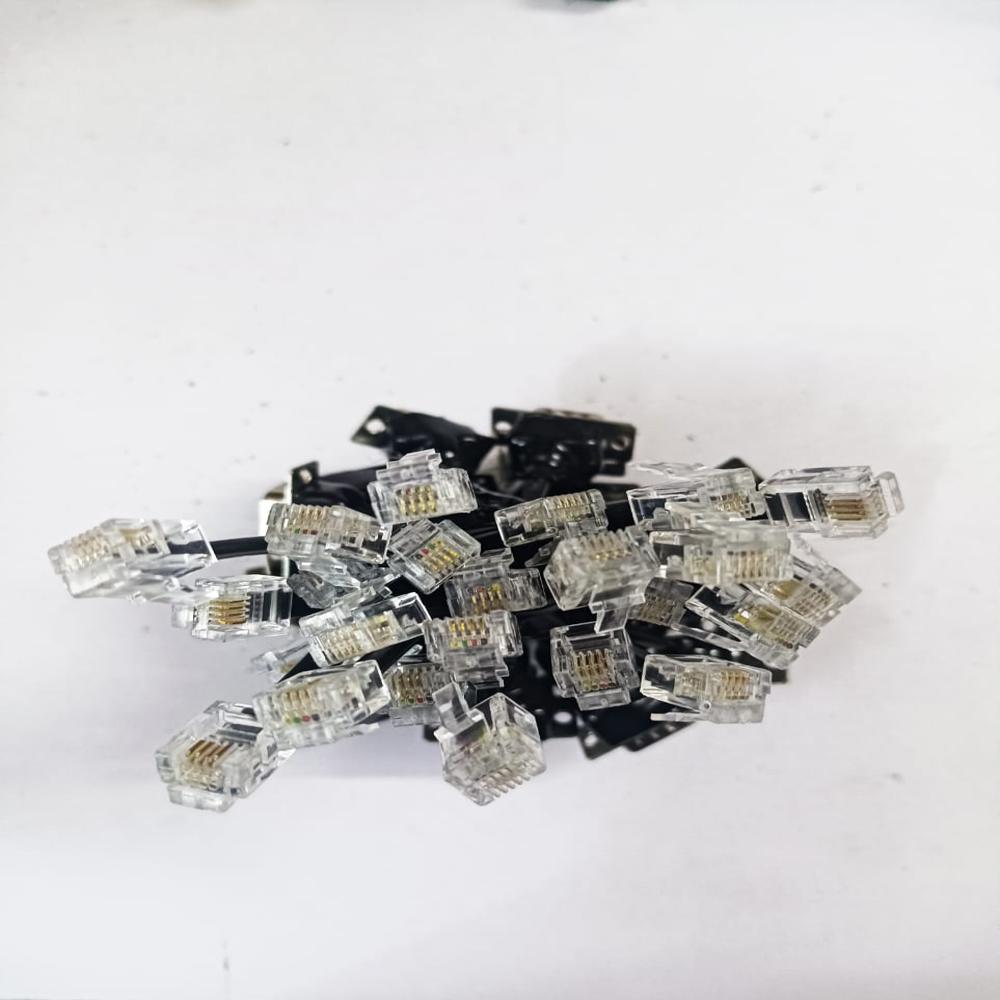
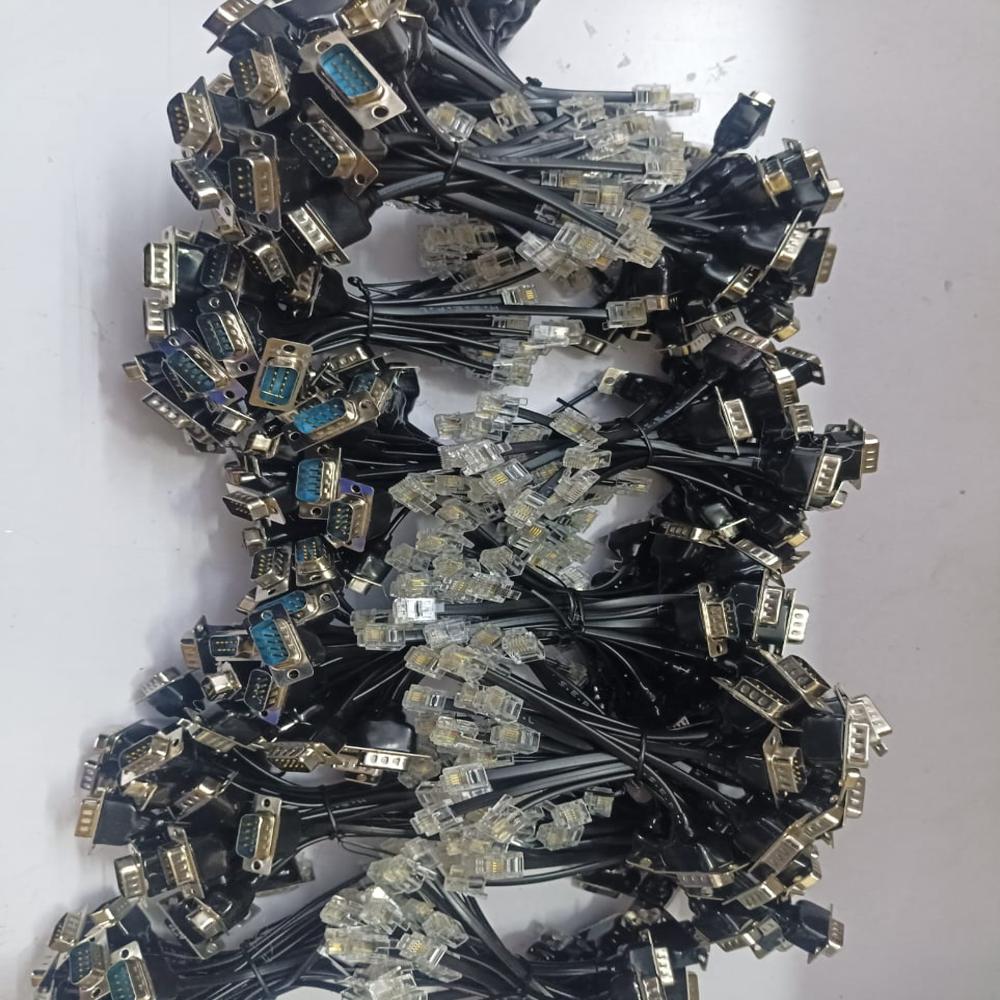
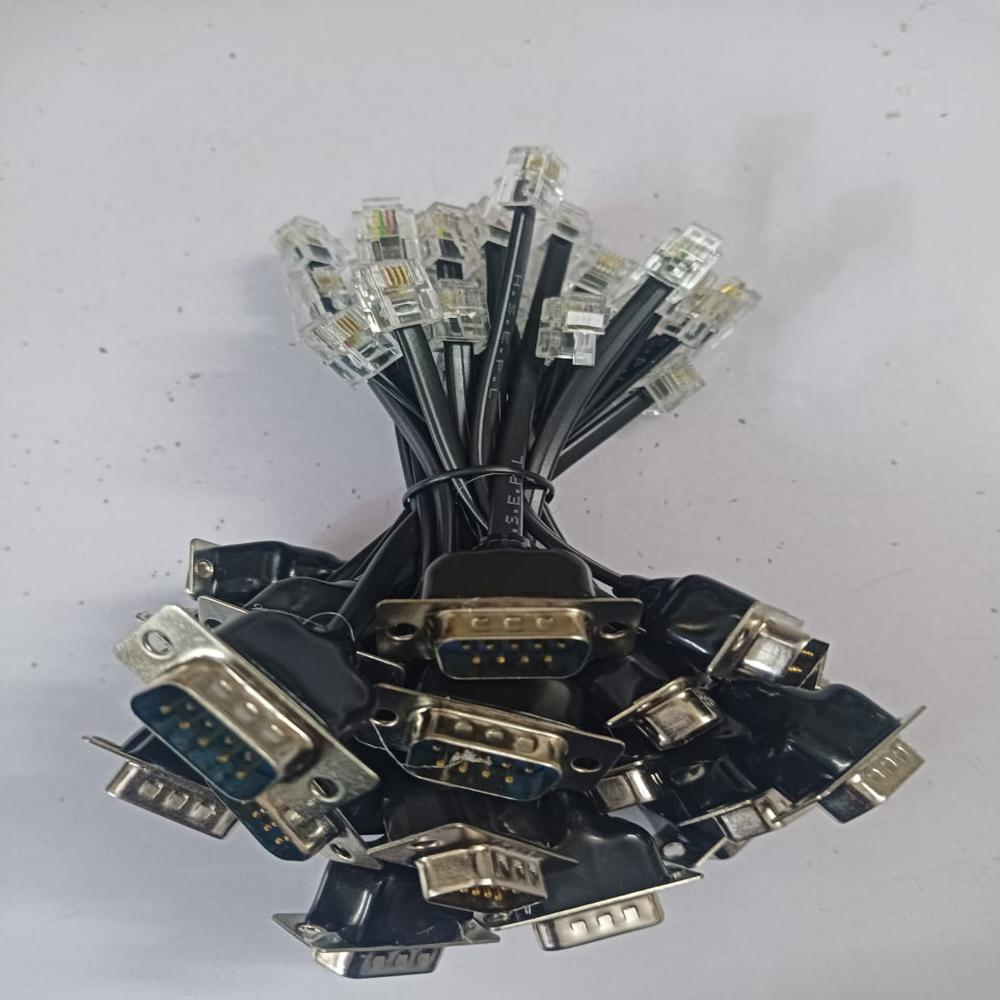
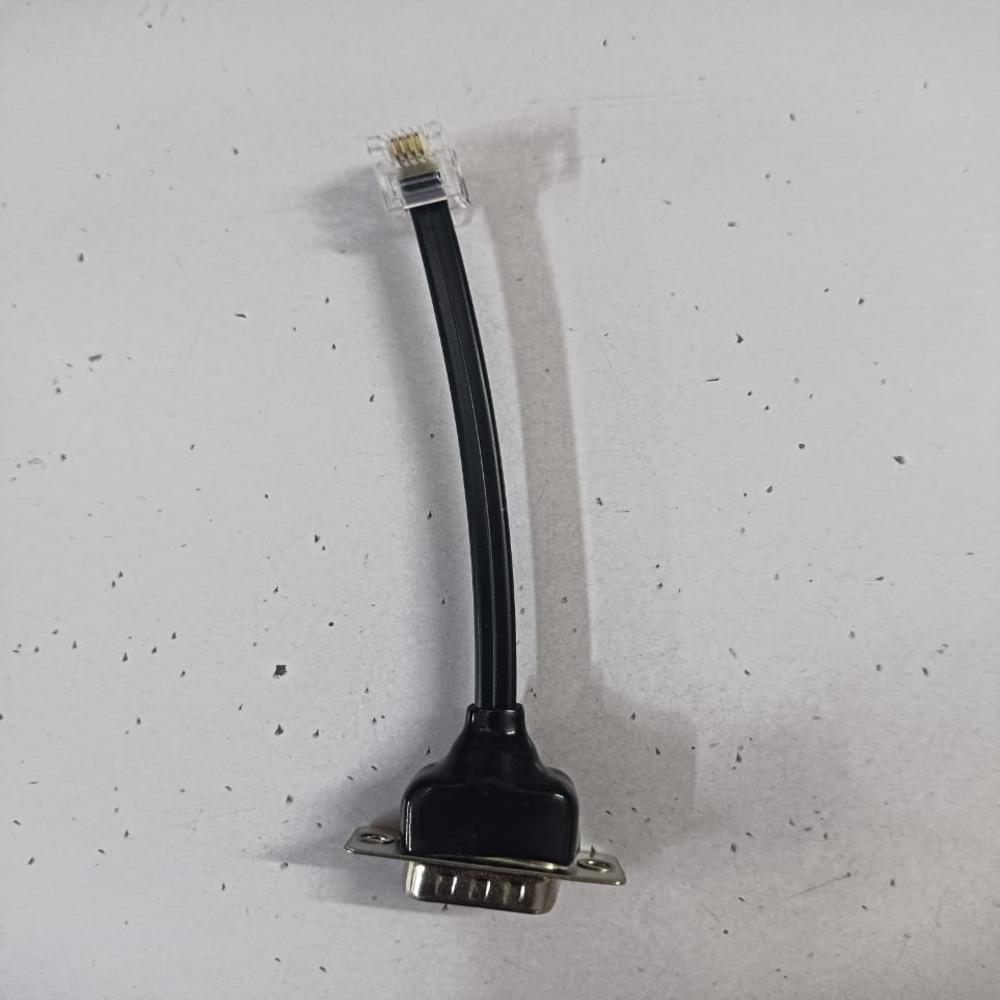
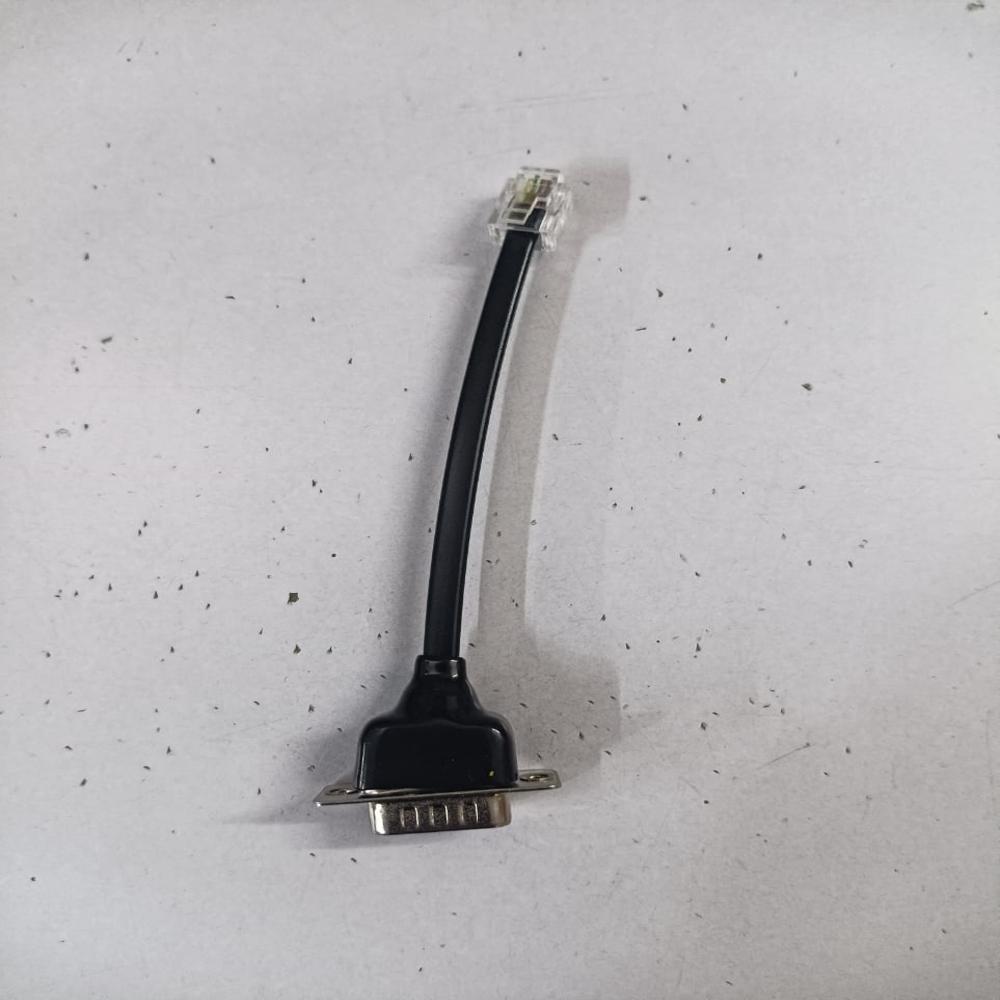
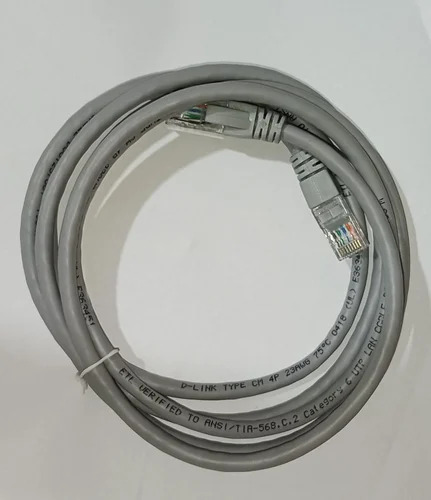
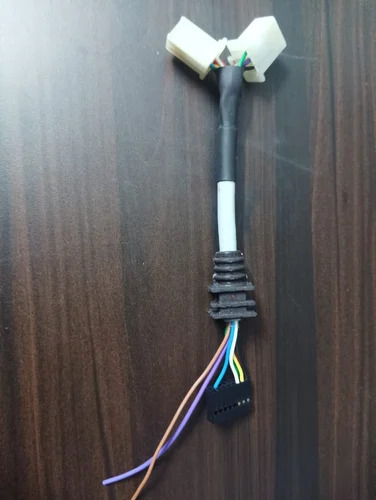
The terminal cable enables a local connection from an external management station (PC with corresponding terminal emulation) to the serial interface of a network device (Ethernet switch, wireless access point or firewall). This gives you the option to set up a connection to the Command Line Interface (CLI) and to the system monitor.
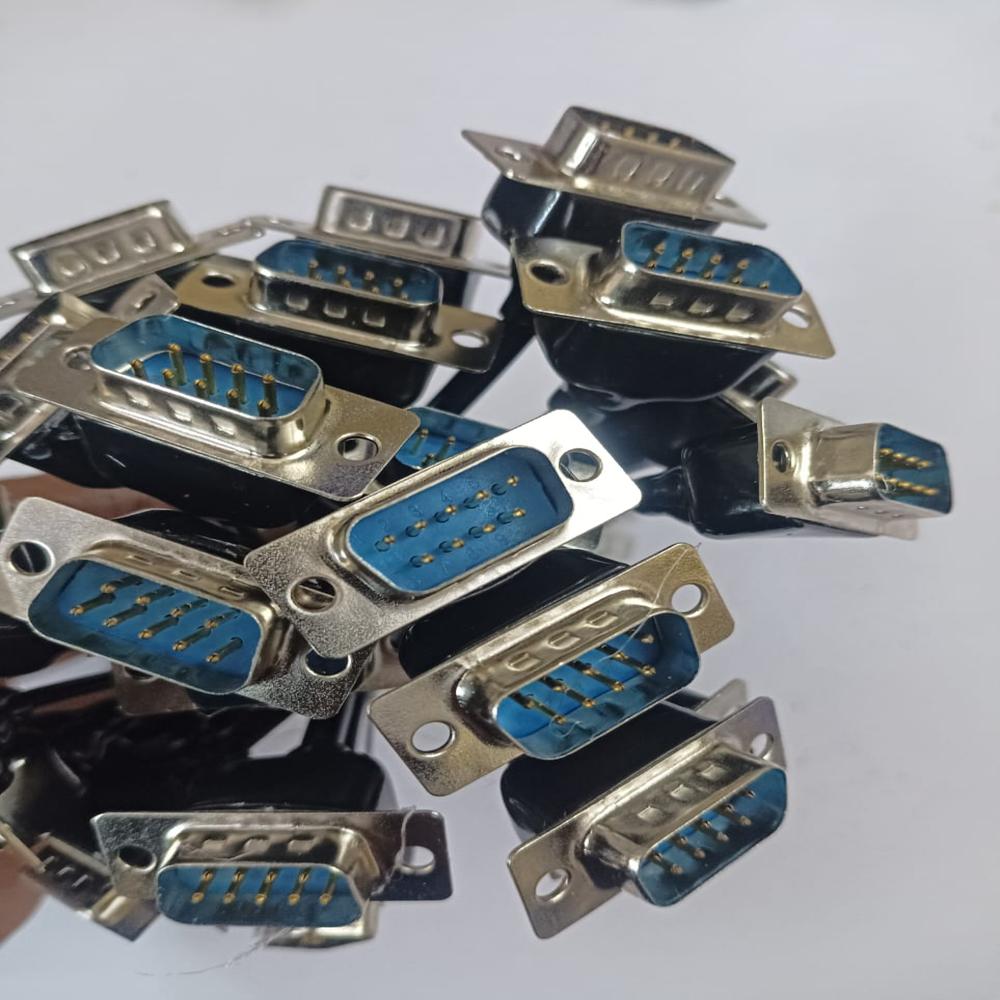
Versatile Mounting and Connection OptionsThe DB9 connector supports panel, cable, and solder-type mounting, with terminal types including solder cup, crimp, and snap-in options. This versatility makes it suitable for both permanent installations and quick, on-site repairs or upgrades in a wide range of industries.
Reliable Signal Transmission and ProtectionEngineered for dependable data communication, the DB9 connector features gold or nickel-plated contacts for low contact resistance and high insulation resistance. A full metal shell offers superior EMI/RFI shielding, maintaining signal clarity even in electrically noisy environments.
Durable and Compliant DesignBuilt to endure up to 500 mating cycles, the DB9 connector utilizes robust materials like steel, thermoplastic, and copper alloys. It complies with RoHS standards, ensuring safety and environmental responsibility in your electronic and industrial projects.
FAQ's of DB 9 CONNECTOR:
Q: How do I choose between male and female DB9 connectors for my application?
A: Selection depends on your equipment's requirements-male connectors typically have pin contacts and mate with female sockets. Check your device's port type or schematic to determine which gender is needed for proper connectivity.
Q: What benefits does the full metal shell shielding provide?
A: The full metal shell offers enhanced EMI/RFI protection, reducing signal interference from external sources. This ensures reliable data transmission, especially in environments with significant electrical noise, like factories or server rooms.
Q: Where can the DB9 connector be used effectively?
A: DB9 connectors are ideal for computers, networking systems, and industrial automation applications. They are also suited to environments requiring data communication and robust performance, such as manufacturing or IT infrastructure.
Q: What is the recommended process for soldering or crimping DB9 connectors?
A: When soldering, use a temperature-controlled soldering iron to join wires to the cup terminals, ensuring a clean, strong joint. For crimp types, use the appropriate crimp tool to attach wires securely, following manufacturer instructions for reliable contact.
Q: How does the threaded jack screw locking mechanism benefit installation?
A: Threaded jack screws securely fasten the connector to its counterpart, preventing accidental disconnection and ensuring a stable connection during vibrations or movement. This feature is crucial in industrial and networking environments.
Q: What are the customization options for cable length and connector size?
A: Cable length and connector size can be customized upon request, allowing for a precise fit in different installations. This flexibility helps optimize performance and space, catering to project-specific requirements in both standard and unique environments.




 Send Inquiry
 Send Inquiry

